A Fenland Year: Twelve Months of Weather, Water, and Light
Nature Writing | September 22, 2026
The fens do not have four seasons. They have twelve, each one distinct, each one announced by something small — a change in the water, a shift in the birdlife, the smell of the soil after rain. I have kept a notebook for a full year now, walking the same paths along the same dykes, and what has surprised me most is how much there is to notice when you stop looking for the big events.
Winter: Water and Silence
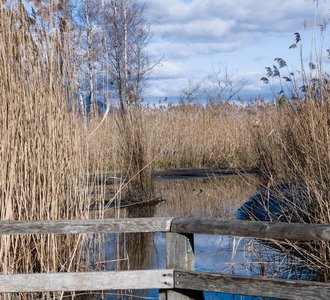
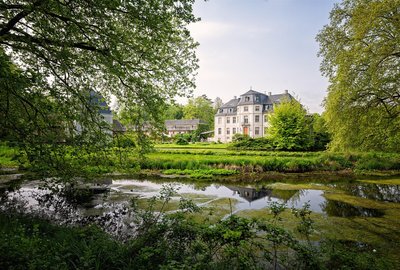
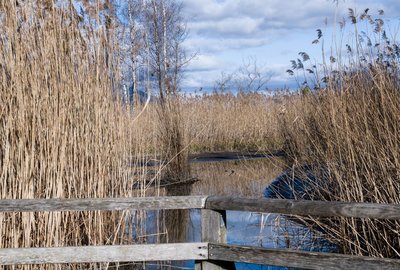
January is the month of water. The dykes fill, the fields flood, and the whole landscape seems to revert to its original state — a vast, shallow wetland, half land and half sky. The light is low and long, and on still days the reflections are so complete that it is hard to tell where the water ends and the air begins. The birdlife is extraordinary: thousands of wildfowl, wigeon and teal and pintail, whistling and dabbling in the flooded fields.
February is the cruel month. The water is still there but the novelty has gone, and the cold gets into everything. Yet this is when the first signs appear: pussy willow silvering in the hedges, the first tentative song of a mistle thrush, the reedbeds starting to stir. March brings the wind, hard and dry off the east, and the first returning migrants — chiffchaffs, sand martins, the strange, liquid call of the curlew heading back to the fields.
Spring and Summer: Green and Gold
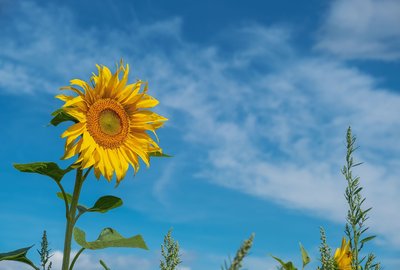
April is the month the fens turn green. The reeds shoot, the willows leaf, and the dykes fill with the bright, urgent growth of water plants. May is the best month of all: hawthorn in the hedges, swallows over the water, and the whole landscape humming with insects. The light is soft and long, and the evenings stretch out until nine or ten o'clock.
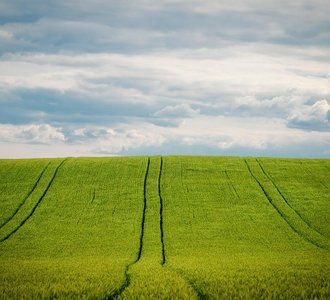
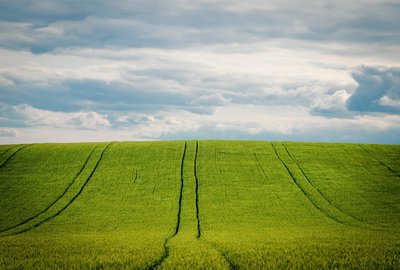
June and July are high summer, and the fens become a place of big skies and heat haze. The drains are low, the grass is cut, and the horizons seem to retreat into the distance. August brings the first hint of change: the swallows gathering on the wires, the reeds starting to turn, the first cool mornings. It is a melancholy month, beautiful and slightly sad.
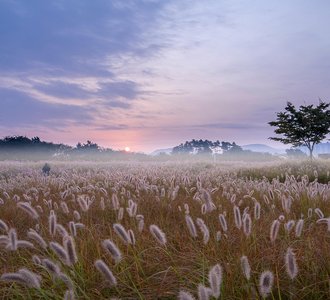
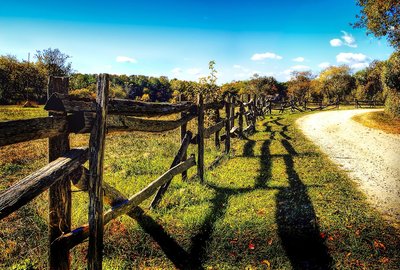
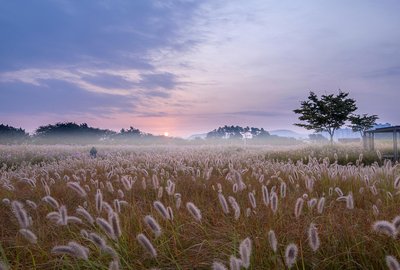
Autumn arrives in September with the harvest and the first mists. October is the month of colour — gold and bronze and rust — and the month the wildfowl start to return. November is grey and quiet, the fields bare, the dykes filling again, the whole landscape settling down for winter. And then December, with its frosts and its short, dark days, brings the year full circle. The water is rising. The birds are back. The fen is beginning again.
What I have learned from keeping this notebook is that the fens are not a place you visit. They are a place you live with, season by season, and the more attention you pay, the more they give you. Every month has its own light, its own birds, its own small dramas. You only have to be there to see them.


Fenland Folio

A walk down a forgotten droving road reveals centuries of footsteps, hoofprints, and the quiet persistence of a landscape shaped by movement.