Field Notes from a Fenland Year: July to December
Photography | September 7, 2026
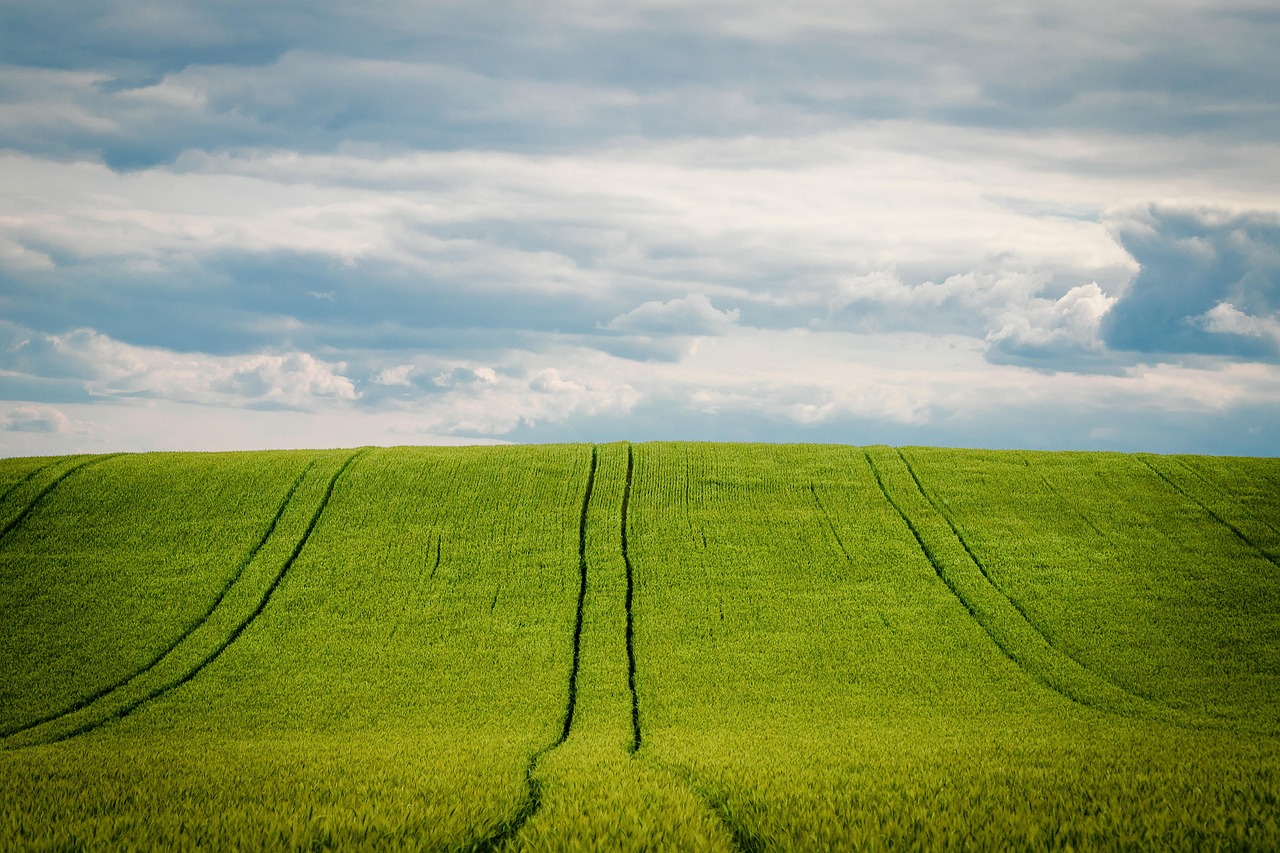
Photographing the Fens through a full year teaches you that the landscape has two personalities. From January to June it is all about growth and light, with the days lengthening and the fields filling out. From July onwards, it is about harvest, decline, and the slow return of water. Both halves are essential, and neither is complete without the other.
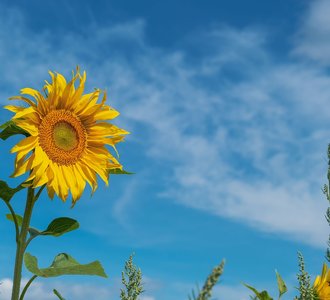
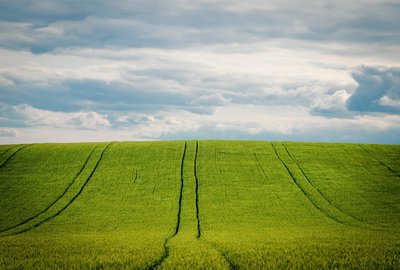
July is the month when the wheat turns. For a week or two, the fields glow a colour that no camera sensor quite captures, somewhere between gold and copper depending on the time of day. I try to be out at first light and again in the evening, because midday sun flattens everything. The best images come when there's a bit of cloud to break up the sky.
Storms, Harvest, and the Turning Year
August brings thunderstorms, and Fenland storms are spectacular. There is nothing between you and the weather here, no hills to break the front, and the clouds build into towering anvils that you can watch for hours. Lightning photography is a game of patience and luck. A tripod, a remote release, and a long exposure will get you most of the way, but you still need the storm to cooperate.
Harvest begins in earnest in August and continues into September. The combines work late into the night, their headlights cutting across fields that were green a month ago. I have mixed feelings about photographing harvest. It is genuine agricultural life, and it is visually striking, but it is also the moment when the landscape's ecological richness is at its lowest. The stubble fields are almost sterile compared to the hedgerows and verges.
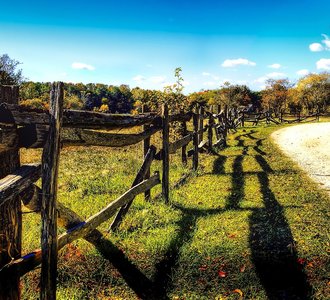
October is my favourite month. The light softens, the mornings turn misty, and the first winter migrants arrive. I spend a lot of time around the washes and the remaining fen fragments, looking for the moment when the leaves turn and the water starts to rise. The colours are subtle here, nothing like the postcard autumns of the Cotswolds, but that subtlety is part of the appeal.
Into the Quiet Months
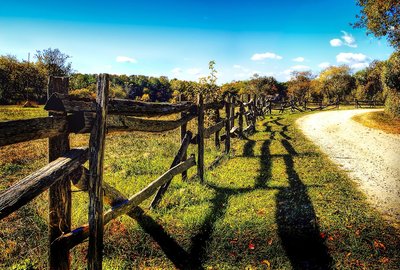
By November, the landscape has stripped down to its essentials. Bare trees, dark soil, grey skies. This is when the Fens look most like themselves, I think. The horizon is at its most exposed, and the wind is at its most insistent. Photographically, it is a challenge, because there is so little to work with. But that scarcity forces you to be precise. You learn to notice the smallest details: a single leaf caught on a fence wire, the way frost picks out the ridges of a ploughed field.
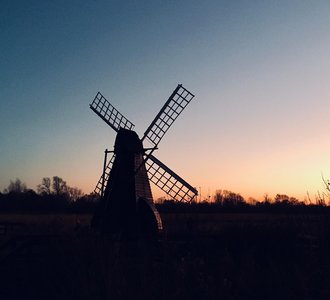
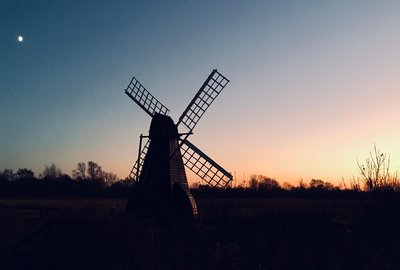
December brings short days and long shadows. The sun sits low all day, and if the sky is clear, the quality of light can be extraordinary. I try to make the most of it, because the year is closing and the next one will bring its own weather, its own moods, its own images. The Fens never repeat themselves exactly, even though they look the same from year to year. That is the paradox at the heart of photographing this place, and it is why I keep coming back.


Fenland Folio
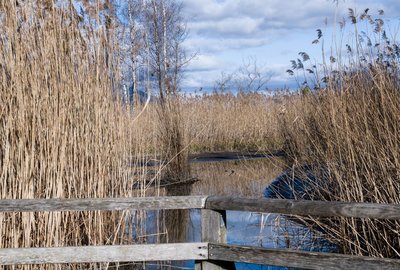
A winter spent shadowing the last working reedcutters on the Norfolk Broads, learning how to photograph a trade that shaped the fens for centuries.