Painting the Wide Sky: An Artist's Approach to Fenland Landscapes
Art | September 28, 2026
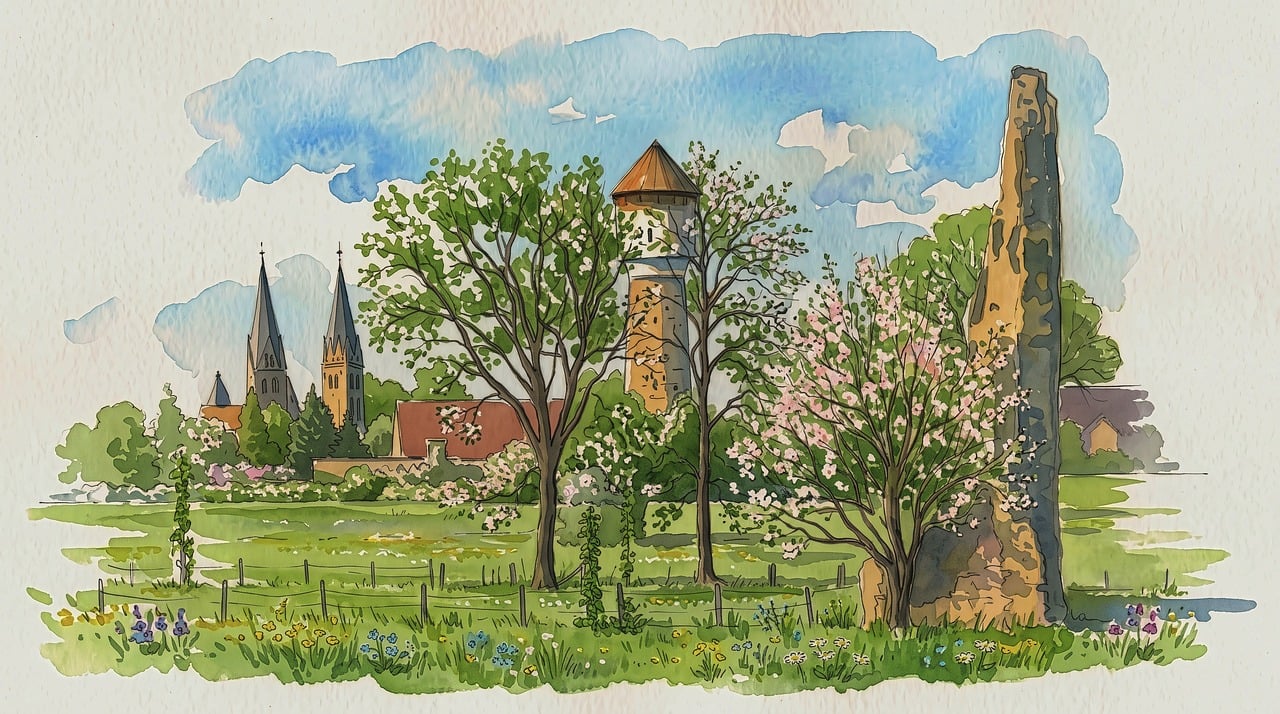
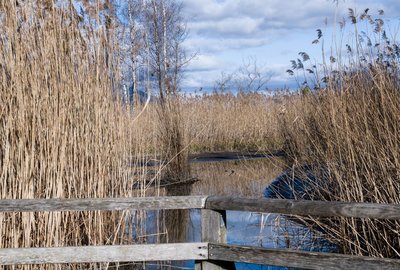
Every landscape painter I know has a place that defeats them. For me, it was the fens. I grew up painting hills and woods, where the composition is handed to you — a ridge here, a valley there, trees to frame the view. Then I moved to the edge of the Bedford Level and discovered a landscape with almost no vertical elements at all. Just water, reeds, and an enormous sky. I had no idea what to do with it.
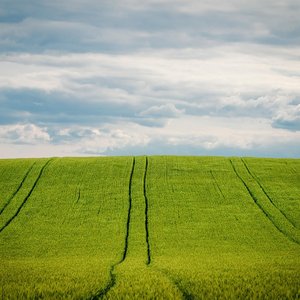
It took me two years to stop fighting the place. The fens do not want to be painted like the Cotswolds. They want you to reckon with horizontality, with distance, with the way light behaves when there is nothing to stop it. Once I accepted that, the work started to come alive.
Why Watercolour Suits the Fens
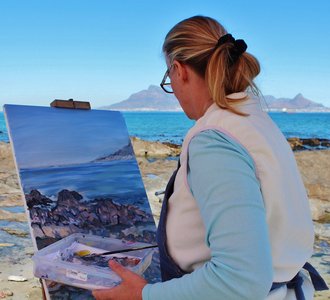
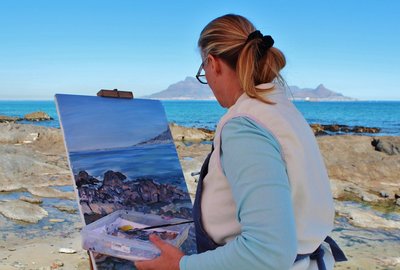
I tried oils first. They were too heavy, too slow. The fen changes by the minute — a cloud passes and the whole scene shifts from gold to grey — and oil could not keep up with my eye. Watercolour, with its speed and its transparency, turned out to be the right tool. Wet-in-wet washes let me lay in a sky in three minutes and then respond to it as it dried. The medium's unpredictability mirrors the place. You can guide it, but you cannot fully control it, and that is exactly how it feels to stand on a fenland bank.
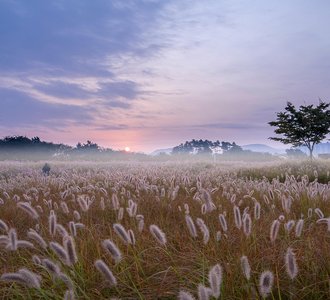
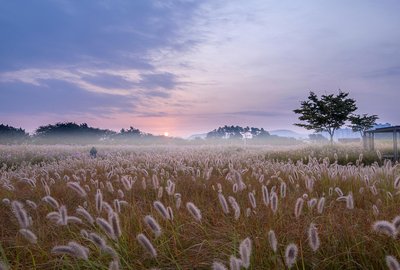
My palette is deliberately narrow: raw sienna, burnt umber, ultramarine, a touch of permanent rose for the dawns and dusks. Anything brighter and the painting starts to lie. The fens are not a colourful landscape in the obvious sense. Their colour is in subtle shifts — the green-grey of reeds in February, the ochre of cut sedge, the violet that creeps into a winter sky an hour before dark.
Composing Without a Horizon Line
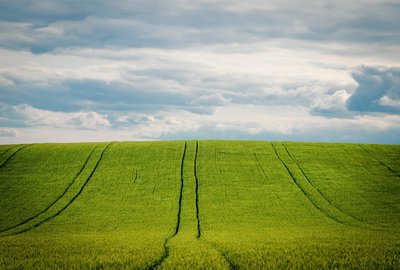
The hardest lesson was composition. With no hills to anchor the eye, you have to build structure from other things: a dyke leading diagonally into the distance, a windpump breaking the skyline, a single willow standing alone. I started sketching with a 2B pencil before touching colour, mapping the horizontals and finding the one or two verticals that would hold the picture together.
I also learned to paint small. Large canvases of flat landscapes tend to go empty. A 20 by 30 centimetre block forces me to be economical, to say what matters and leave the rest as wash. Some of my favourite pieces are no bigger than a postcard — a quick study of reeds at dusk, made in twenty minutes before the light went.
If you are a painter and you have never tried the fens, go in winter. The tourists are gone, the light is long and low, and the place is at its most honest. Bring a flask. Bring more paper than you think you need. And be prepared to fail for a while. The fens do not give up their secrets easily, but when they do, the paintings are worth every wasted sheet.


Fenland Folio
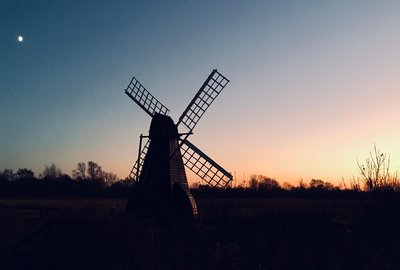
The windpumps that once dotted every fenland horizon are mostly gone — but a handful survive, and they carry the story of how this landscape was made.