The Reedcutters' Craft: Photographing a Vanishing Fenland Tradition
Photography | October 4, 2026
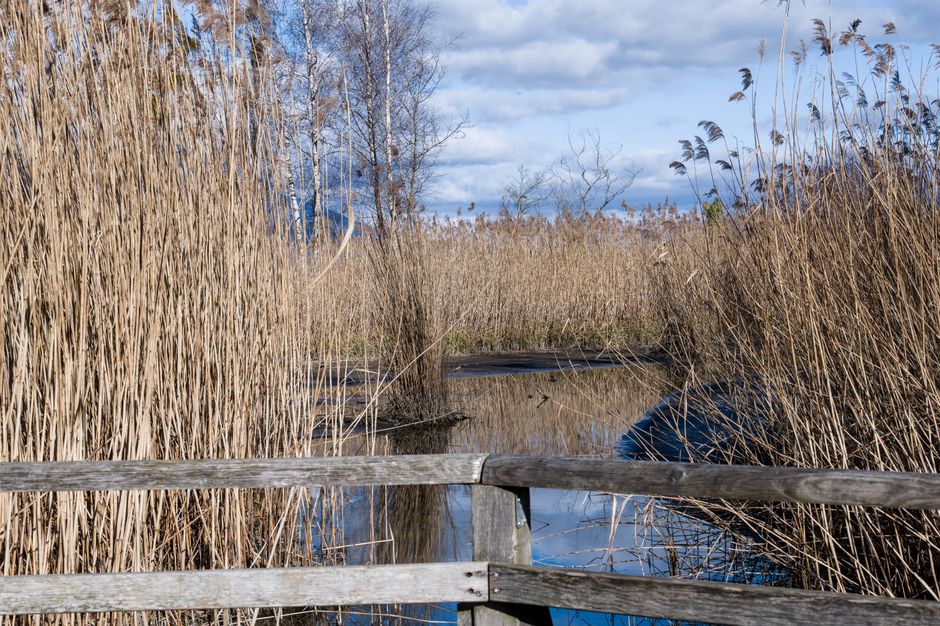
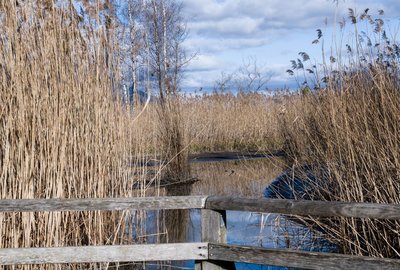
The first time I stood on the edge of a frozen reedbed at dawn, I understood why the old cutters say the fen keeps its own time. The light came sideways across the marsh, turning every frost-covered stem into a thin blade of silver. Somewhere beyond the dyke, a bittern boomed — that strange, foghorn sound that seems to come from the earth itself rather than any bird. I had come to photograph the reedcutters, but I spent the first hour simply standing still, letting the place teach me how it wanted to be seen.
Reedcutting is winter work. From November to March, when the sap is down and the stems are dry, teams move through the beds with scythes and, on some marshes, with vintage tractor-mounted cutters that look like relics from another century. The reed is bundled, stacked, and eventually shipped off to thatchers across the country. It is slow, cold, backbreaking labour, and there are fewer people doing it every year.
Learning to See in the Cold
Photographing this world taught me more about patience than any workshop ever could. Reeds move constantly, even in the faintest breeze, so a fast shutter speed is your friend — but too fast and you freeze the life out of the scene. I found myself settling around 1/250th, enough to hold the stems sharp while letting the cutter's motion blur just slightly at the edges. Early morning mist became my greatest ally, softening the background and separating the figures from the vastness behind them.
I also learned to respect the work. The cutters do not stop for photographers. They cannot — the weather window is short and the marsh does not care about your composition. So I walked with them, carried bundles when asked, and kept my camera low and quiet. The best frames came in the unguarded moments: a hand pausing on a scythe handle, steam rising from a flask of tea, a heron lifting off from a dyke as the tractor turned.
A Trade Worth Recording
There is a quiet urgency to this kind of photography. The reedbeds themselves depend on cutting — leave them unmanaged and they scrub over, losing the open water and the wildlife that needs it. So the cutters are not just preserving a craft; they are keeping the fen alive. That knowledge changed how I framed every shot. These are not nostalgic pictures of a dying trade. They are records of active stewardship, of people who know the marsh in their bones.
If you want to photograph reedcutting yourself, go in January. Dress warmer than you think you need to. Bring more batteries than you think you need. And when the light turns gold across the beds, put the camera down for a minute and simply watch. The fen rewards those who listen before they shoot.


Fenland Folio
Notes from a year of dawn visits to one of Britain's oldest nature reserves, and what the fen taught me about light, patience, and stillness.