
The Lost Meres of the Northern Fen
History | September 10, 2026
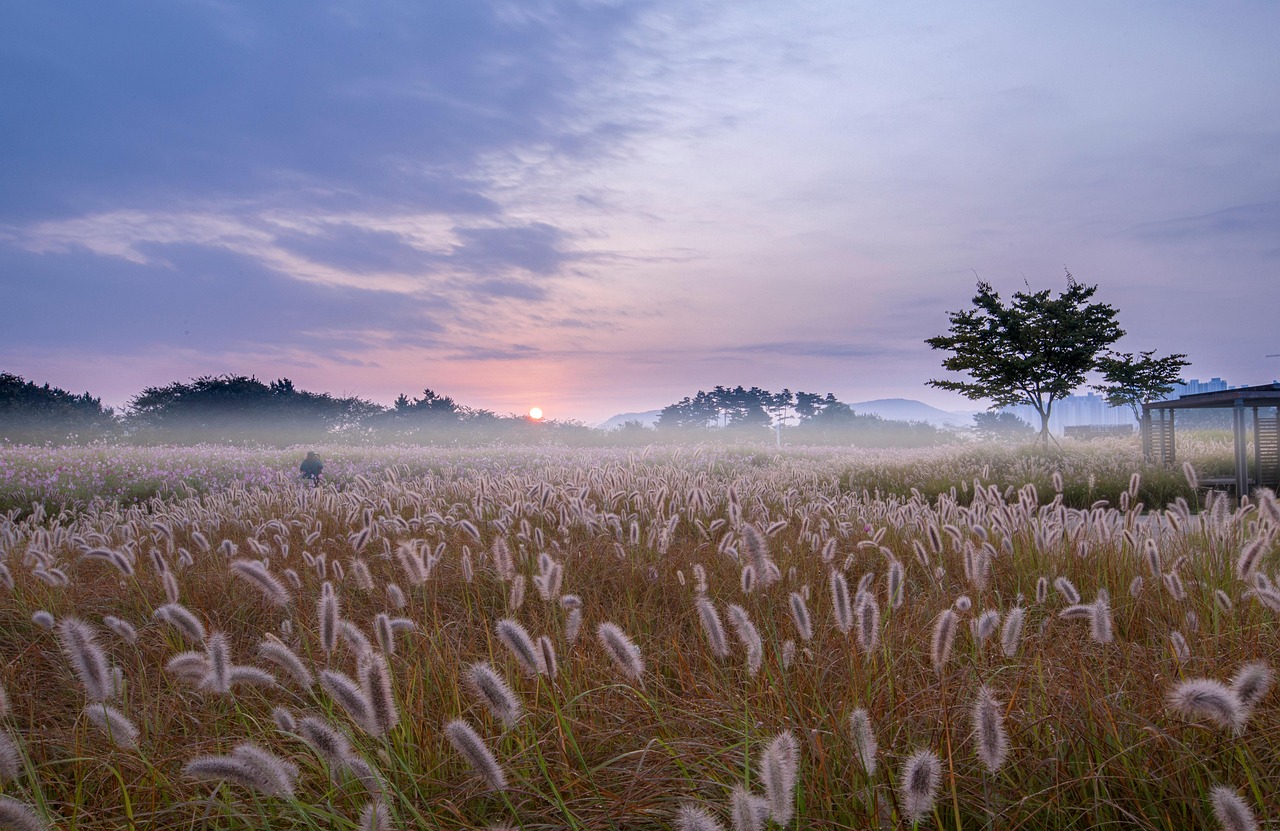
Look at a map of the Fens today and you see a grid. Straight drains, straight roads, rectangular fields. It is the most rationalised landscape in England, and it took less than two centuries to impose that order on what had been, for thousands of years, a shifting maze of water and reed.
The lost meres are the most evocative reminder of what was there before. Whittlesey Mere was the largest, covering nearly two thousand acres in wet years, shallow enough to walk across in dry summers and deep enough to drown a cart in winter. It was drained in 1851, and the land it left behind is now some of the most productive arable in the country. But the name survives, and so does the shape of the old shoreline in the field boundaries.
Life on the Water
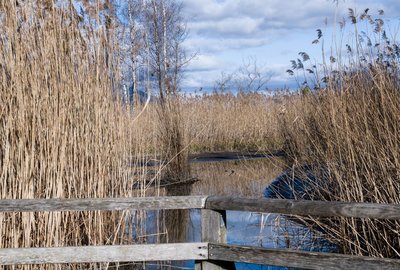
The people who lived around the meres were not the isolated primitives of Victorian imagination. They were sophisticated managers of a complex environment. They cut reed for thatch, harvested fish and wildfowl, grazed cattle on the summer pastures, and cut peat for fuel. Their boats were shallow-drafted and poled rather than rowed, designed for water only a few feet deep.
Archaeology has revealed a great deal about their lives. Fish traps woven from willow. Eel baskets. The remains of dwellings built on artificial islands, some of which seem to have been occupied for centuries. The most famous is Flag Fen, near Peterborough, where a vast timber platform was built across a water channel around 1300 BC. Why it was built remains a matter for debate, but the scale of the effort suggests it mattered enormously.
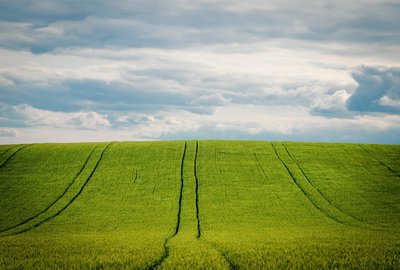
What strikes me when I visit these sites is how completely the water has gone. You stand on dry ground, in a field of wheat, and try to imagine a shallow mere stretching to the horizon. It requires an act of will. The landscape gives you very little help.
Echoes in the Present
The lost meres haven't entirely vanished. They persist in place names, in the occasional patch of surviving fen vegetation, in the drainage channels that follow their old outlines. They persist too in the way the land behaves. Every winter, when the pumps struggle and the rivers rise, the old water tries to return. Fields that were meres flood first, as if the land remembers.
Some conservationists argue that we should bring some of the meres back, not as a romantic gesture but as a practical response to climate change and biodiversity loss. The arguments are complex and the stakes are real. But whatever happens, the lost meres will remain part of how we understand this place, a reminder that the Fens are not a fixed landscape but a negotiation between water and human ambition.


Fenland Folio
The second half of a photographic year in the Fens, from the high drama of summer thunderstorms to the quiet austerity of midwinter.