
Wicken Fen at First Light: A Photographer's Field Notes
Photography | October 1, 2026
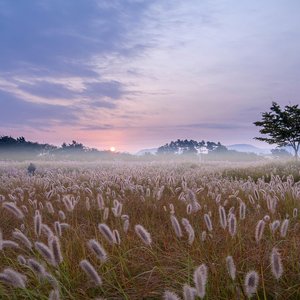
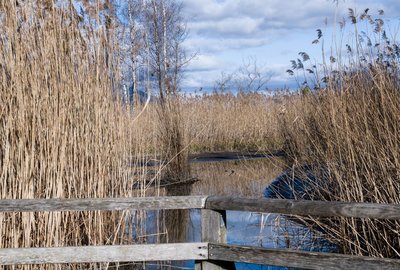
There is a particular hour at Wicken Fen, somewhere between the first hint of grey and the moment the sun clears the sedge, when the whole reserve seems to hold its breath. The water in the lodes turns to pewter. Mist hangs in the reeds like something poured rather than formed. And if you are very lucky, a marsh harrier will quarter low across the fields, hunting in that unhurried way that makes you forget you are cold.
I have been going to Wicken at dawn for a year now, roughly once a fortnight, and I still feel like a beginner. That is the point. The fen is not a backdrop you tick off a list. It is a place with moods, and the only way to photograph it honestly is to show up again and again until you start to recognise them.
What the Light Does Here
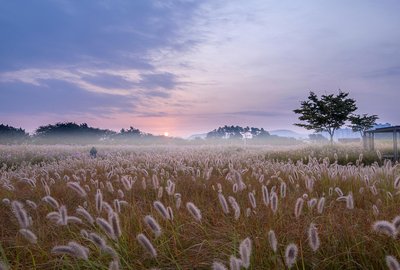
Fenland light is different from anywhere else I have shot. There are no hills to interrupt it, so it arrives flat and wide, and it changes fast. On clear mornings the sun comes up behind the sedge and rim-lights every seed head, turning the whole marsh into a field of tiny lamps. On misty mornings the light is soft and directionless, which sounds dull but is actually a gift — it lets you shoot into the sun without blowing the highlights, and it turns the reeds into layers of grey and lavender rather than a single busy texture.
My advice: expose for the highlights and let the shadows go. Fenland scenes have enormous tonal range, and if you try to hold everything you will end up with muddy middles. Bracket if you must, but I have found that trusting the mood of the morning — dark, quiet, low-contrast — produces images that feel more like the place than any HDR blend ever has.
Wildlife Without the Chase
The temptation with a place like Wicken is to chase the wildlife. A kingfisher flashes past and you swing the lens and lose it. A bittern booms from somewhere unseen and you spend twenty minutes scanning empty reeds. I have done all of this. What I have learned is that the fen rewards stillness. Pick a spot, sit down, and let the birds come to you. A hide helps, but a quiet bank under a willow works nearly as well.
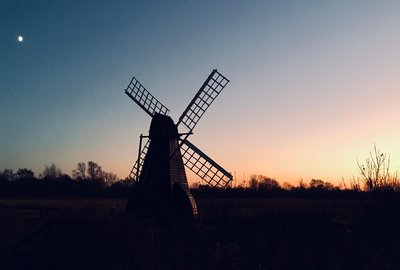
The photographs I keep coming back to are not the rare ones. They are the ordinary ones made extraordinary by light and time: a swan in a misted dyke, dew on a spider's web strung between reeds, the silhouette of a windpump against a pink morning. These are the images that carry the fen with them when I leave.


Fenland Folio

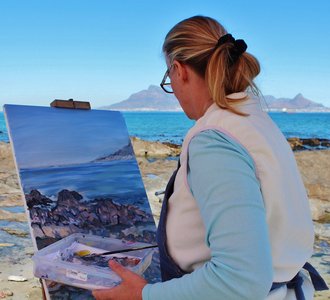
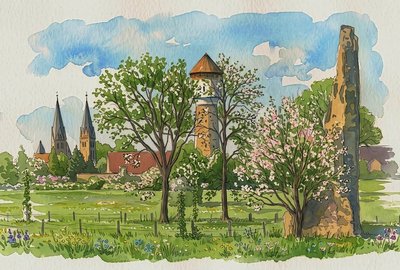
How the flat, enormous skies of the fens demand a different way of painting — and why watercolour may be the perfect medium for this landscape.