Winter Light on the Ouse Washes
Photography | September 16, 2026
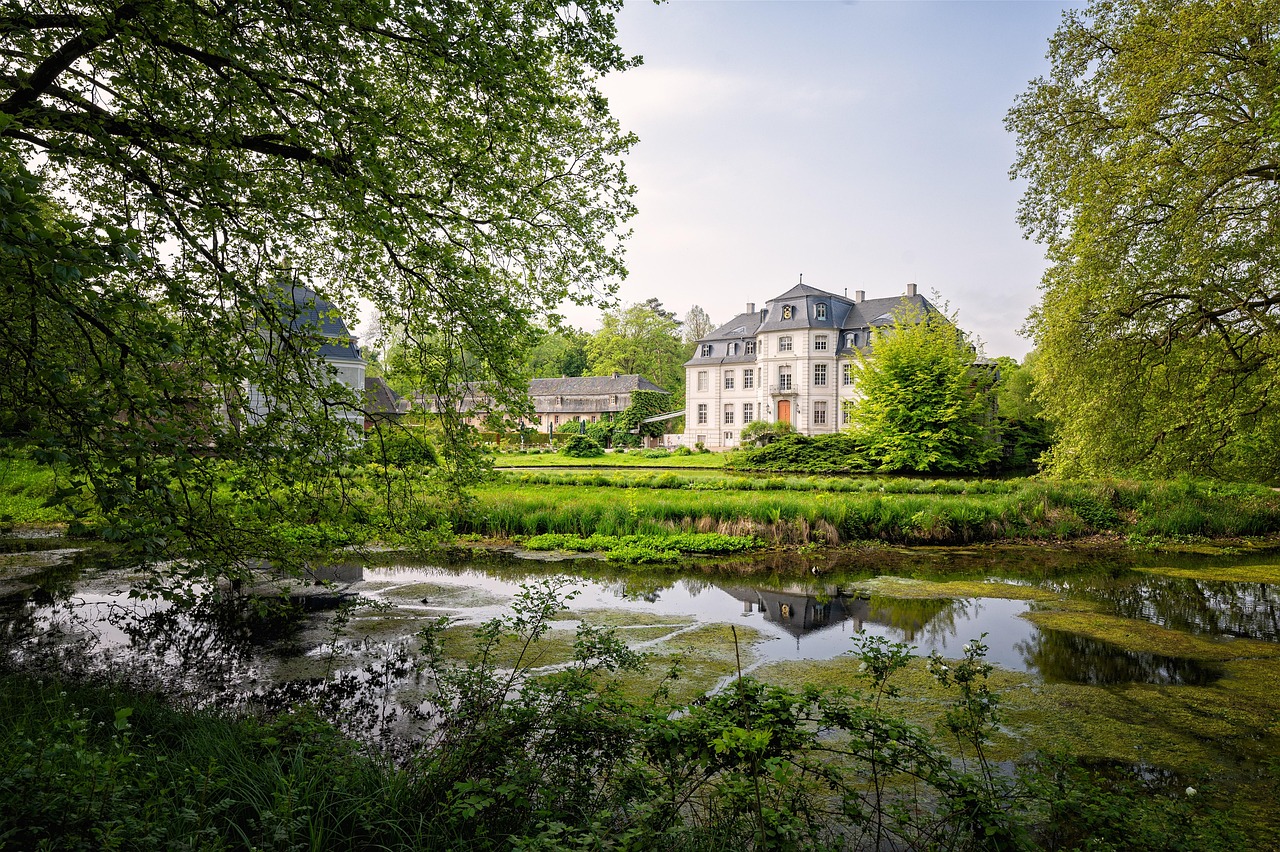
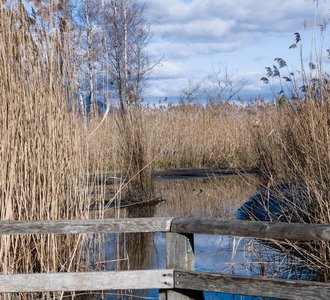
The Ouse Washes are a strange and beautiful accident of engineering. Built in the seventeenth century as a flood storage area between two parallel rivers, they spend much of the winter underwater and much of the summer as grazing marsh. For a photographer, this seasonal transformation is the whole point.
I first visited the washes on a January morning when the forecast promised fog. Fog is the landscape photographer's friend in the Fens, because it simplifies the chaos of a flat horizon and turns every distant tree into a silhouette. I parked near Welney and walked out along the bank as the light came up, grey and soft and utterly without drama.
Working with Water and Reflection
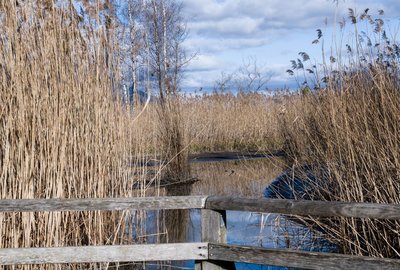
Flooded fields are difficult subjects. Water reflects the sky, which means that on a bright day your foreground and background are the same tone, and the whole image flattens into nothing. The trick is to look for interruptions: a fence post, a tuft of reeds, a single swan. These anchors give the eye somewhere to rest and provide the contrast that makes the reflection legible.
I shoot the washes almost exclusively with a long lens. Wide angles make the place look empty, and emptiness is not the same as space. A 300mm lens compresses the layers of water, bank, and sky into something almost abstract, and it lets me isolate individual birds without wading out into the cold.
The birds are the reason most photographers come. Whooper swans arrive from Iceland in October and stay until March, and their bugling calls carry for miles across the water. Pintail, wigeon, teal, and the occasional scarce visitor like a glossy ibis or a great white egret all turn up here. Patience is everything. I've spent entire days in a hide and come away with three frames worth keeping, and that's a good day.
The Ethics of Photographing a Reserve
The washes are a nature reserve, and the rules exist for good reason. Stay on the paths, keep your distance from roosting birds, and don't fly drones. It sounds obvious, but I've watched photographers wade into the water to get a better angle and flush entire flocks in the process. A photograph is not worth the cost of a bird's energy budget in midwinter.
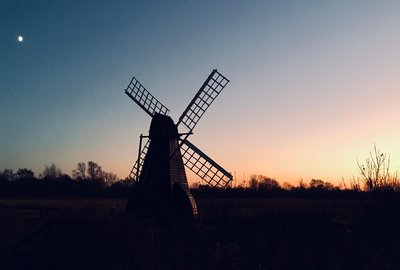
What draws me back year after year is not the rare species but the mood. There is a particular hour before dusk when the water turns the colour of pewter and the sky goes a deep, bruised blue, and the whole washes seem to hold their breath. At that moment, the distinction between landscape and wildlife photography dissolves. You're just trying to record a feeling, and if you're lucky, you get close.


Fenland Folio
Fenland artists have long wrestled with a landscape that refuses to sit still, and the results are stranger and richer than the postcard clichés suggest.