



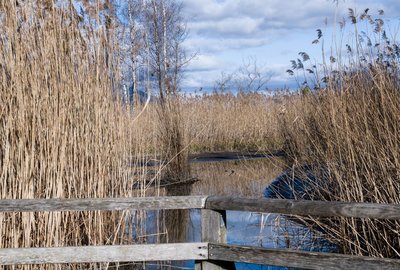


The Ghost Ships of the Fen: Windpumps and the Art of Drainage
History | September 25, 2026
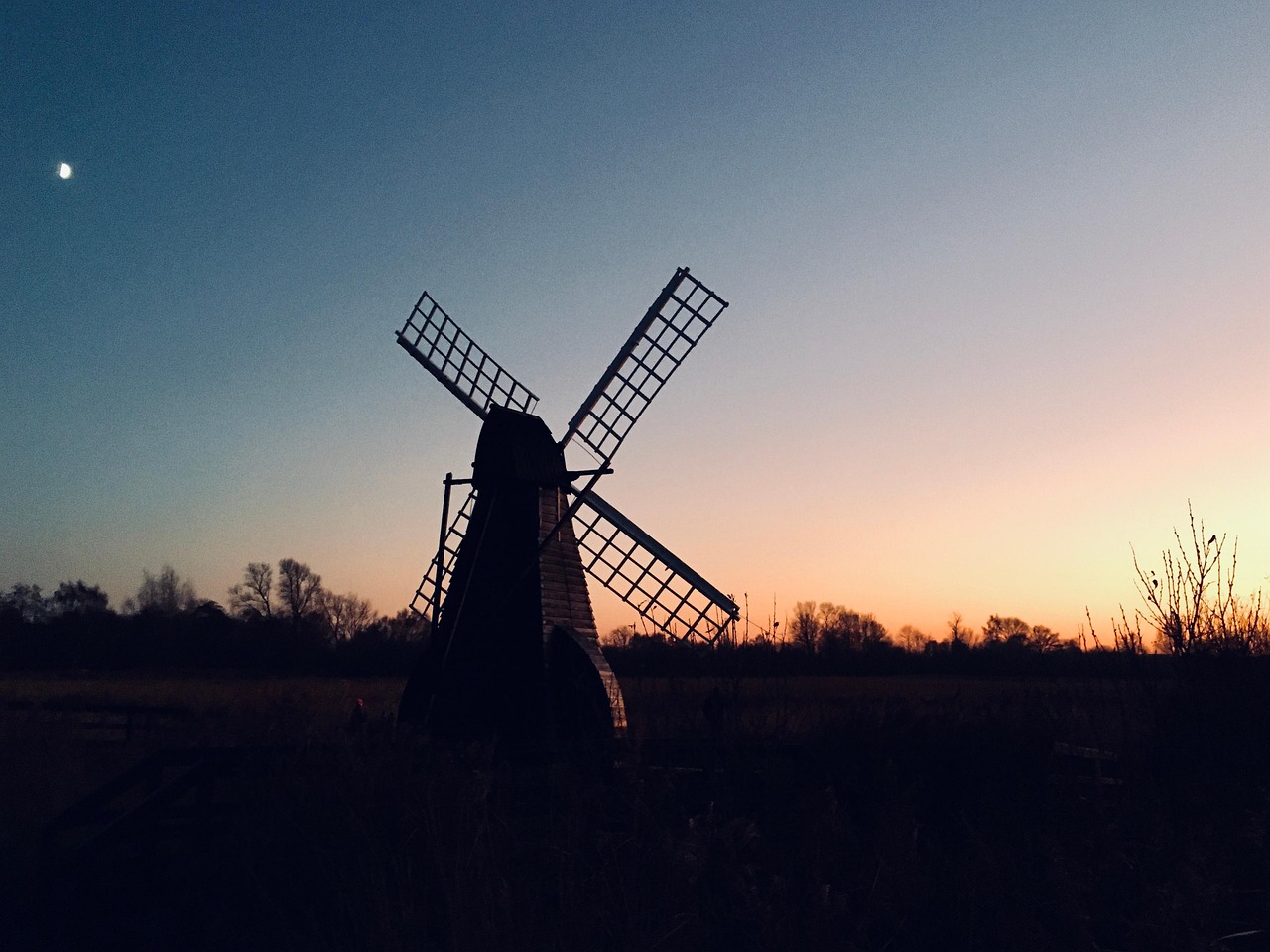
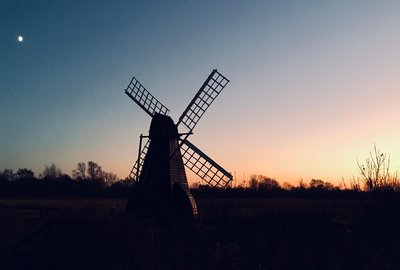
Drive the back roads between March and Wisbech on a clear day and you will see them: dark, skeletal towers standing alone in fields, their sails long since gone. These are the windpumps, the machines that drained the fens, and they are among the most evocative ruins in England. They look like the ribs of ships stranded in a sea of grass, which is not a bad metaphor — the fens really were a kind of inland sea once, and these were the vessels that conquered it.
The story begins in the seventeenth century, when Dutch engineers under Cornelius Vermuyden were brought in to drain the vast marshlands of the Great Level. Their canals and sluices were a triumph of engineering, but they created a new problem: the drained land shrank as it dried, and the rivers they had built could no longer flow uphill to the sea. The solution, from the eighteenth century onwards, was wind power.
How the Windpumps Worked
A fenland windpump is a simple, elegant machine. A fantail at the back keeps the main sails facing into the wind. The sails turn a vertical shaft, which drives a scoop wheel or, later, a pump, lifting water from a dyke into a higher drain. Thousands of them were built across the fens, each one serving a small area of farmland, each one tended by a local man who knew its moods.
They were not without their problems. A windpump only works when the wind blows, which in a still summer meant trouble. They were also dangerous — men were killed by runaway sails, and the towers were notoriously difficult to maintain. But for a century and a half they were the beating heart of fenland agriculture, and their silhouettes were as familiar as church spires.
What Survives, and Why It Matters
The arrival of steam, then diesel, then electric pumps killed the windpumps almost overnight. By the mid-twentieth century most had been abandoned, their sails removed, their towers left to rot. A few were preserved — Wicken Fen has a working example, and there are restored pumps at Prickwillow and elsewhere — but the majority survive only as bare brick or timber towers, slowly returning to the landscape they once tamed.
I photograph them whenever I can. Not because they are picturesque, though they are, but because they are documents. Each one marks a place where someone made a decision about water: where to hold it, where to let it go, what land was worth saving. The fens we know today — the fields, the drains, the roads, the villages — were built by these machines and the people who ran them. To stand beside a derelict windpump at dusk, with the wind coming off the Wash and the reeds moving all around, is to feel the whole history of this landscape pressing in at once.
They are not ghosts, really. They are witnesses. And they are still, in their quiet way, keeping watch over the fen.


Fenland Folio

A month-by-month account of living with the fens through a full year — from January floods to December frost, and everything the landscape taught along the way.