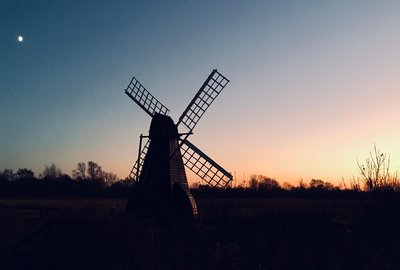

The Long Silence of the Fenland Droves
Written Stories | September 19, 2026
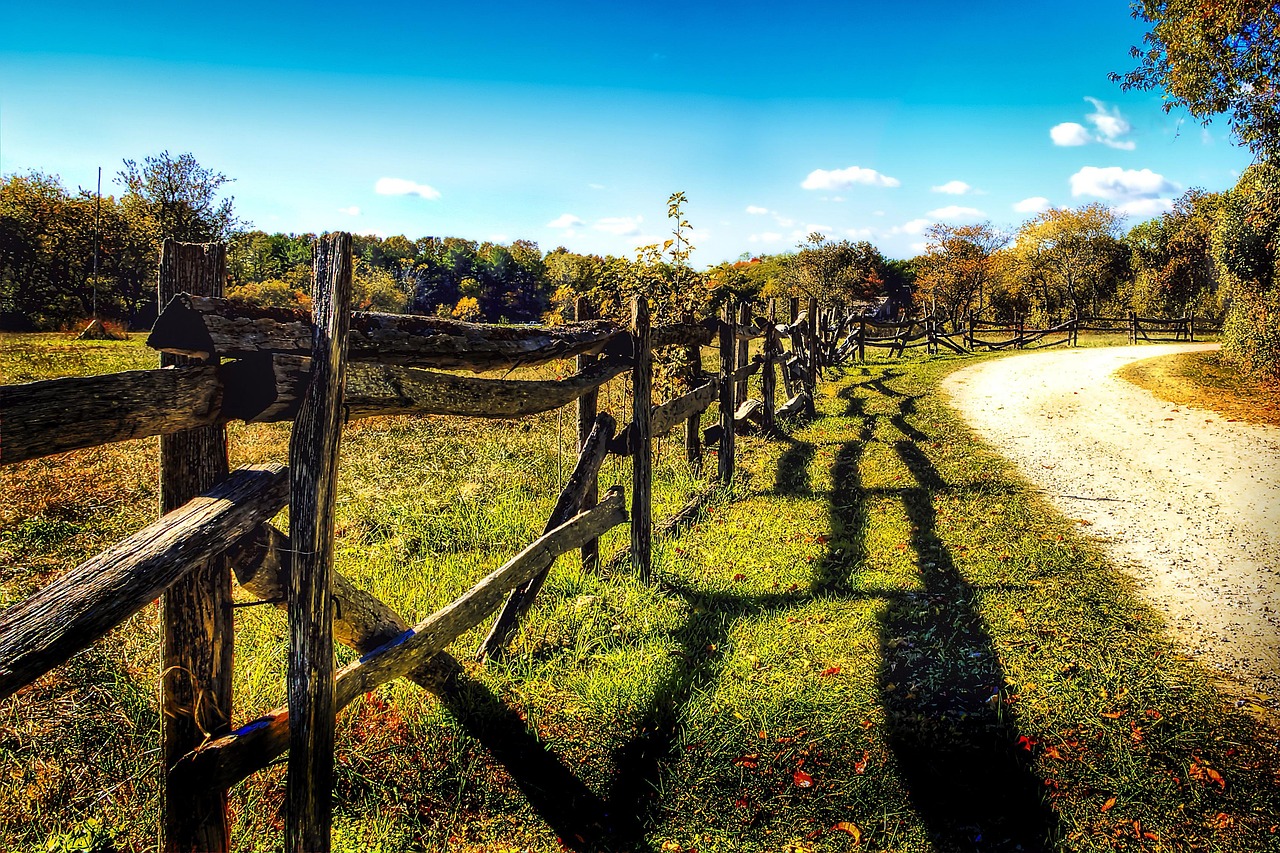
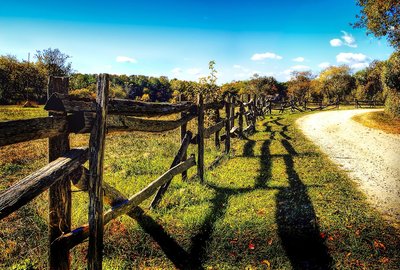
The droves are the Fenlands' quiet arteries. They run in straight lines where the Romans left them, and they wander where the old cattle traders followed the dry ground between meres. Today many of them are no more than footpaths between hedgerows, but walk one at dusk and you can feel the weight of centuries pressing down on the turf.
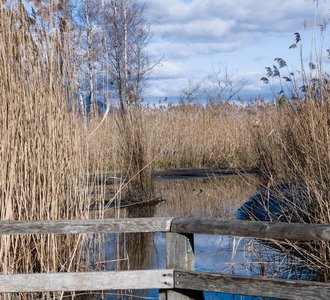
I walked the Soham droves last October, a route I'd traced on an old ordnance map borrowed from a friend who collects such things. The path began at the edge of a housing estate and within ten minutes had shed all trace of the present day. Hawthorn hedges leaned in on both sides, their berries already stripped by fieldfares. The ground underfoot was springy, black peat holding onto the previous week's rain.
Reading the Land for Signs
Droving was never a gentle trade. Cattle and sheep were moved hundreds of miles to market, and the drovers knew every ford, every patch of dry ground, every farmer who might sell them a night's grazing. The width of a drove tells you something about its former importance; some here are wide enough for two herds to pass, others are barely shoulder-width.
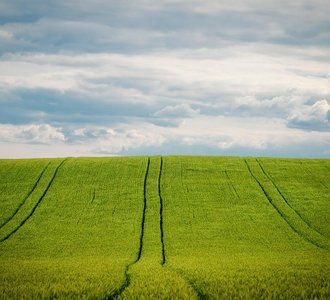
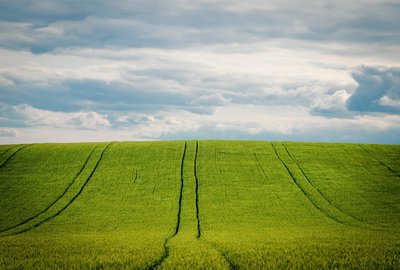
What strikes me most when I photograph these paths is how they hold light differently from the surrounding fields. The hedges act as softboxes, diffusing the low winter sun into something almost painterly. I've taken to carrying a medium format camera on these walks, not because the images are better but because the slower process forces me to look. A digital camera encourages me to shoot thirty frames and hope; a roll of film encourages me to wait.
The wildlife along the droves is surprisingly rich. Because they've never been ploughed, they retain old meadow species: knapweed, birds-foot trefoil, the occasional pyramid orchid. Barn owls hunt the verges at dusk. I once watched a stoat take a rabbit not twenty feet from where I stood, and neither of them seemed to notice me at all.
Stories Held in the Soil
The written record of the droves is thin. A few mentions in parish registers, a handful of toll records, the occasional court case about a trespassing herd. The real history is in the soil itself, in the compacted layers that archaeologists can read like tree rings. Every footfall leaves its mark, and the Fenlands have been walked for a very long time.
When I write about these places, I try not to invent what I don't know. I don't know the name of the drover who last moved cattle down the path I walked, or what he thought about as he went. But I know the rhythm of the walk, the particular quality of light at four o'clock in October, the way the wind carries the smell of wet earth and distant smoke. That's enough to build a story on, if you're honest about where the facts end and the imagination begins.
The droves are still there, still walkable, still holding their silence. They ask nothing of us except that we slow down and pay attention. In a landscape that has been drained, enclosed, and reshaped by centuries of human effort, that quiet persistence feels like a kind of gift.


Fenland Folio
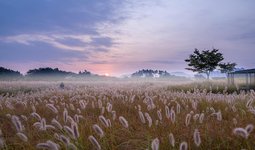
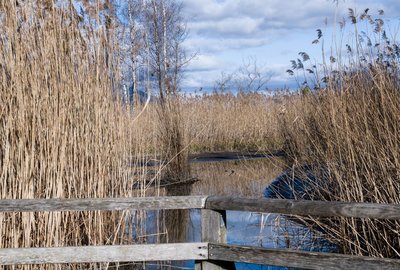
The flooded washes between the Old and New Bedford Rivers offer some of the most dramatic winter photography in eastern England.