Peat, Pigment, and the Painter's Fen
Art | September 13, 2026
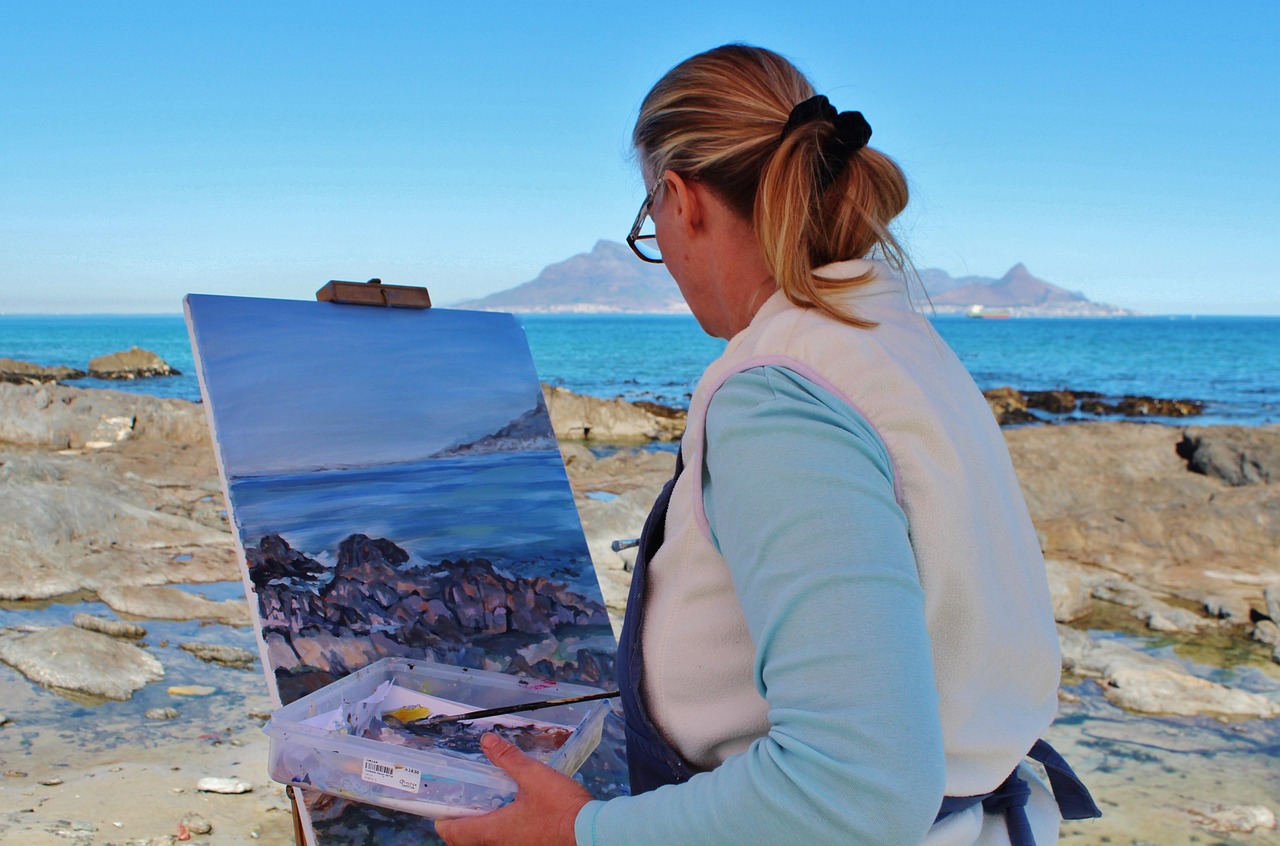
Painting the Fens is harder than it looks. The horizon is relentless, the palette is limited to greens and greys and browns, and the sky takes up more space than any composition textbook would recommend. And yet the region has produced a remarkable tradition of painters, from the Norwich School landscapists who came this way in the nineteenth century to contemporary artists working in studios converted from old barns.
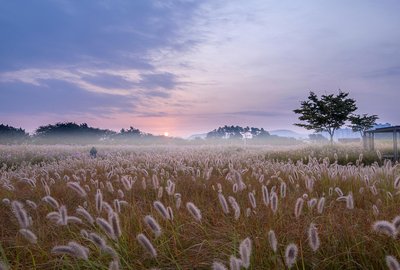
I've been painting here for fifteen years, and I still haven't solved the central problem, which is that the Fens are simultaneously boring and overwhelming. Stand in a field in July and there is nothing to look at. Stand in the same field in November, and the light does something extraordinary, and you realise you've been missing it all along.
The Problem of the Horizon
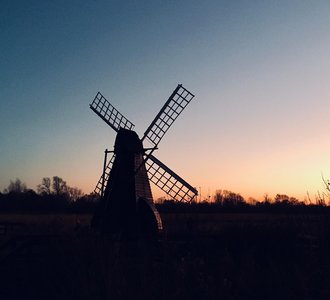
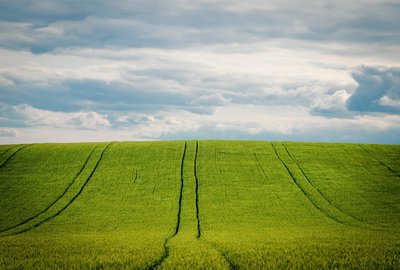
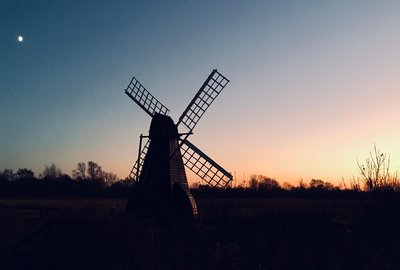
The Dutch solved this problem centuries ago by embracing the flatness and building their compositions around the sky. I've learned a lot from studying Ruysdael and van Goyen, particularly their understanding that a low horizon needs a strong vertical element to anchor it. In the Fens, that vertical is usually a windpump, a pylon, or a single tree. Without one, the painting floats away.
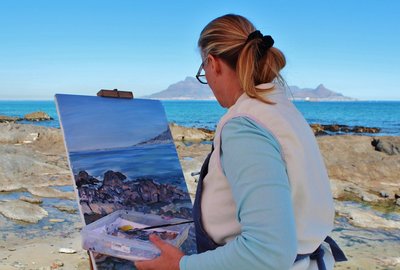
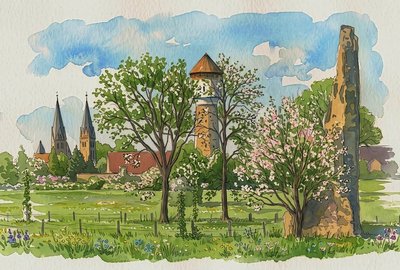
My own approach has moved gradually towards abstraction. I start with a plein air sketch in watercolour, which forces me to simplify, and then work up the final piece in the studio using memory and photographs. The temptation is to add detail, to fill the emptiness, but the emptiness is the subject. Every mark I add has to earn its place.
Peat has become a recurring motif. It's the substance of the place, after all, and it has an extraordinary range of colours if you look closely: deep blacks, warm browns, hints of red and purple where the light catches it. I've started grinding my own pigments from locally dug peat, which sounds precious but is really just an excuse to get my hands dirty.
Finding a Fenland Voice
The best Fenland art doesn't try to be picturesque. It acknowledges the awkwardness of the place: the straight drains, the industrial agriculture, the sense that this is a landscape permanently on the verge of reverting to swamp. Artists like the late Norman Ackroyd, who made etchings of the region, understood that beauty here is inseparable from melancholy.
For anyone starting out, my advice is simple. Visit the same place in every season and every weather. Draw it badly and often. Resist the urge to make it pretty. The Fens will reward you with something stranger and more interesting than a postcard, if you let them.


Fenland Folio
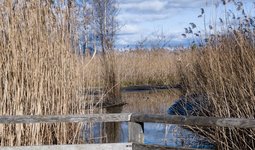
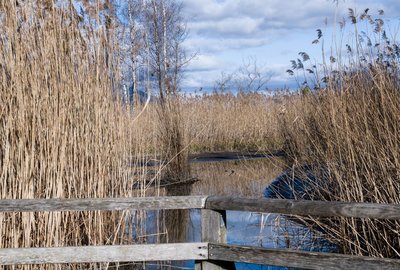
Before the great drains, the northern Fen was a maze of shallow lakes, reed beds, and islands, and its memory still haunts the modern landscape.